Version 4.1.0
fabAI
fabAI is becoming an active agent: featuring its own MCP server, OIDC integration for coding agents, write-enabled AI actions, local models, and automatically generated custom pages directly within fabular.
.png)

fabAI is becoming an active agent: featuring its own MCP server, OIDC integration for coding agents, write-enabled AI actions, local models, and automatically generated custom pages directly within fabular.
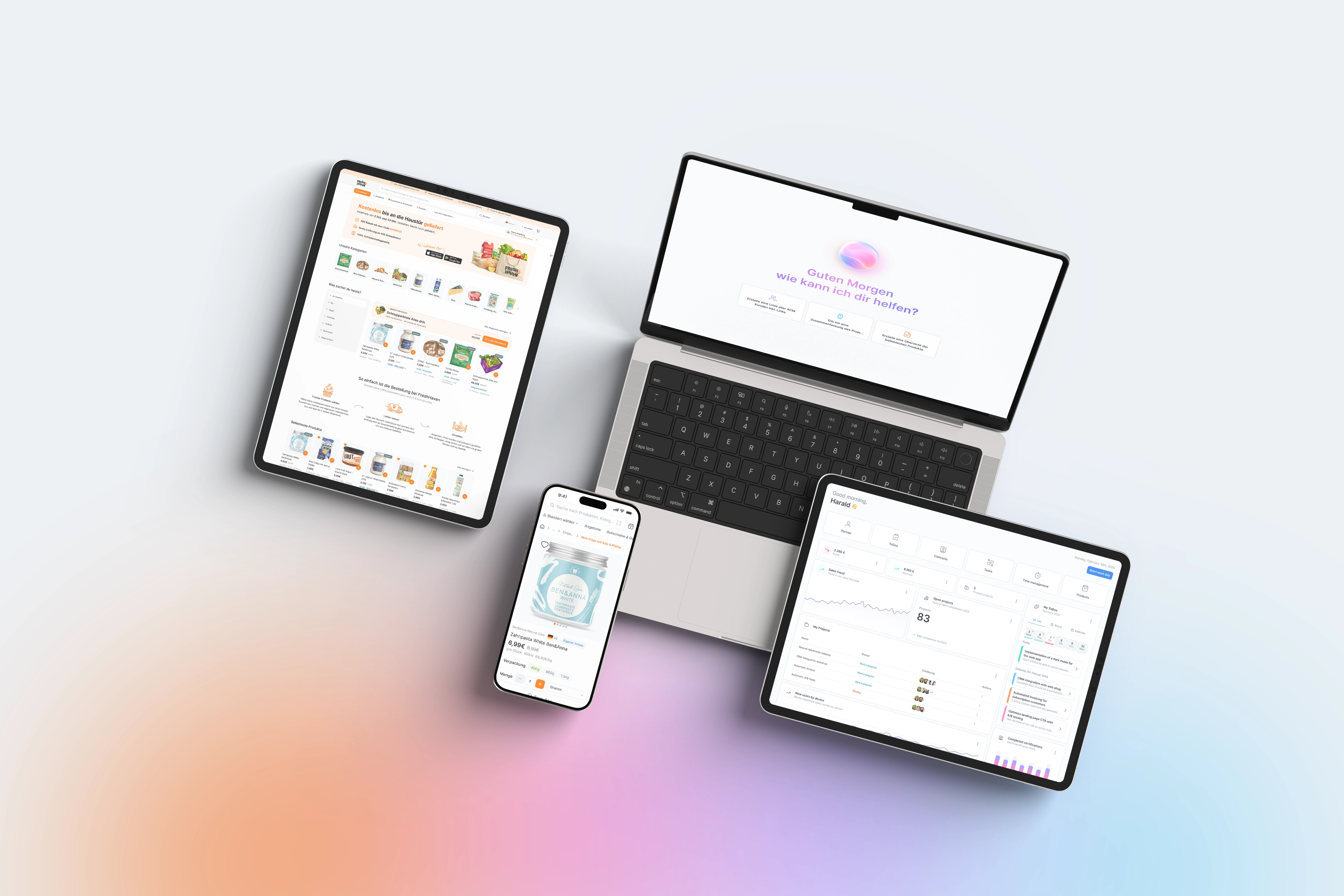
Until now, fabAI was primarily an information channel: you asked questions, got answers, and had to do the rest yourself. The new MCP-first architecture changes that fundamentally. Because fabular. acts as an OIDC provider, you can integrate the MCP server into virtually any coding agent or external tool to securely access fabular. APIs—without the need for additional integration projects. For departments like purchasing, sales, or quality assurance, this means an employee in recipe planning can simply ask the AI to create a new recipe for a vegan product or search for a batch in the system. The SQL vector store resides entirely within your own database, ensuring no external dependencies or data leaks—a critical factor for food companies with strict requirements. If you prefer not to use a cloud model, you can switch entirely to locally hosted models. And if you need the same report regularly, fabAI can build you a custom page on command that remains permanently available as a menu item—such as a dashboard for open complaints or upcoming batch inspections.
You can find the MCP server in the system settings under "Integrations → MCP Server." There, you can activate fabular. as an OIDC provider to receive a client ID and endpoint URL, which you can use to connect fabular. to existing AI tools. After a one-time authorization, the agent can use all authorized fabular. tools and APIs, including write-enabled actions—you define which actions are permitted per role. For the SQL vector store, select the "SQL Server as vector store" option in the fabAI settings under "Knowledge Sources"; this requires at least SQL Server 2025. You can integrate local models via the same section as a custom model endpoint. Custom pages are created directly in the chat: ask fabAI for an analysis, check the preview, and confirm to save it—the page will automatically appear in the main menu. For systems with multiple model endpoints, we recommend testing role permissions for write-enabled MCP calls in a test environment before enabling them for production.